
1
EmaciatedEmaciated — vet visit today.
Ribs, spine, and hip bones visible from across the room. No palpable fat. Severe muscle loss.
Body-fat: < 5% — per Purina Institute Feline BCS chart
Free interactive WSAVA chart — check ribs, waist, and abdominal tuck. No sign-up.
By Paws & Pounds Research Team — reviewed against WSAVA/AAHA guidelines. Last updated .
Current BCS
5 / 9
Drag the slider or tap a number. Most healthy adult cats land at 4-5.
Ideal — keep doing what you're doing.
What this means
Ribs palpable without excess fat cover. Waist observed behind ribs. Abdomen tucked up.
What to do next
Maintain current portion. This is the target for most adult cats.
Estimated body-fat %
20–24% — per WSAVA Global Nutrition Toolkit
Estimate only — consult your vet before changing your pet's diet.
Track this BCS weekly in the app
Log score + weight together so you catch drift early — and share the chart with your vet.
Quick answer
Cat Body Condition Score is a 1–9 scale used by veterinary bodies worldwide. BCS 4–5 is ideal (≈ 15–24% body fat), 6–7 is overweight (25–34%), and 8–9 is obese (≥ 35%). Assess using the WSAVA look-feel-look protocol: feel the ribs, look from the side for a tuck, and look from above for a waist.
If you searched for “wsava body condition score cat ribs waist abdominal tuck”, this is the fast interpretation.
Reference table for “cat body condition score chart” and “wsava body condition score cat 9 point chart” searches. Use the interactive slider above for a home assessment.
| Score | Classification | Ribs / waist / tuck | Est. body fat |
|---|---|---|---|
| 1 | Emaciated | Ribs, spine, and hip bones visible from across the room. No palpable fat. Severe muscle loss. | < 5% |
| 2 | Very thin | Ribs highly visible. No fat cover. Obvious waist and abdominal tuck. Lumbar vertebrae easily palpated. | 5–9% |
| 3 | Thin | Ribs easily felt with minimal fat cover. Waist prominent. Minimal abdominal fat. | 10–14% |
| 4 | Lean ideal | Ribs palpable with slight fat cover. Waist observed behind ribs. Slight abdominal tuck. | 15–19% |
| 5 | Ideal | Ribs palpable without excess fat cover. Waist observed behind ribs. Abdomen tucked up. | 20–24% |
| 6 | Slightly heavy | Ribs palpable with slight excess fat cover. Waist and abdominal fat pad discernible but not obvious. | 25–29% |
| 7 | Overweight | Ribs palpable with difficulty. Noticeable fat cover. Waist poorly discernible. Obvious abdominal fat pad. | 30–34% |
| 8 | Obese | Ribs not palpable under heavy fat cover. No waist. Obvious distention of abdomen. Fat deposits on lumbar area and face. | 35–39% |
| 9 | Grossly obese | Massive fat deposits over thorax, spine, and abdomen. Distention and fat deposits on face and limbs. | ≥ 40% |
Printable official chart: WSAVA feline BCS chart (PDF)
Body-fat ranges anchored to the Purina Institute Feline Body Condition System; clinical descriptions cross-checked against the WSAVA Global Nutrition Toolkit.
1
EmaciatedEmaciated — vet visit today.
Ribs, spine, and hip bones visible from across the room. No palpable fat. Severe muscle loss.
Body-fat: < 5% — per Purina Institute Feline BCS chart
2
Very thinVery thin — vet visit this week.
Ribs highly visible. No fat cover. Obvious waist and abdominal tuck. Lumbar vertebrae easily palpated.
Body-fat: 5–9% — per Purina Institute Feline BCS chart
3
ThinThin — monitor and investigate.
Ribs easily felt with minimal fat cover. Waist prominent. Minimal abdominal fat.
Body-fat: 10–14% — per Purina Institute Feline BCS chart
4
Lean idealLean ideal — excellent.
Ribs palpable with slight fat cover. Waist observed behind ribs. Slight abdominal tuck.
Body-fat: 15–19% — per WSAVA Global Nutrition Toolkit
5
IdealIdeal — keep doing what you're doing.
Ribs palpable without excess fat cover. Waist observed behind ribs. Abdomen tucked up.
Body-fat: 20–24% — per WSAVA Global Nutrition Toolkit
6
Slightly heavySlightly heavy — start cutting calories.
Ribs palpable with slight excess fat cover. Waist and abdominal fat pad discernible but not obvious.
Body-fat: 25–29% — per Purina Institute Feline BCS chart
7
OverweightOverweight — structured plan needed.
Ribs palpable with difficulty. Noticeable fat cover. Waist poorly discernible. Obvious abdominal fat pad.
Body-fat: 30–34% — per Purina Institute Feline BCS chart
8
ObeseObese — vet plan required.
Ribs not palpable under heavy fat cover. No waist. Obvious distention of abdomen. Fat deposits on lumbar area and face.
Body-fat: 35–39% — per Purina Institute Feline BCS chart
9
Grossly obeseGrossly obese — vet-supervised plan required.
Massive fat deposits over thorax, spine, and abdomen. Distention and fat deposits on face and limbs.
Body-fat: ≥ 40% — per Purina Institute Feline BCS chart
The WSAVA “look-feel-look” protocol, adapted for home use. You don't need equipment — just your hands and good lighting.
Step 1
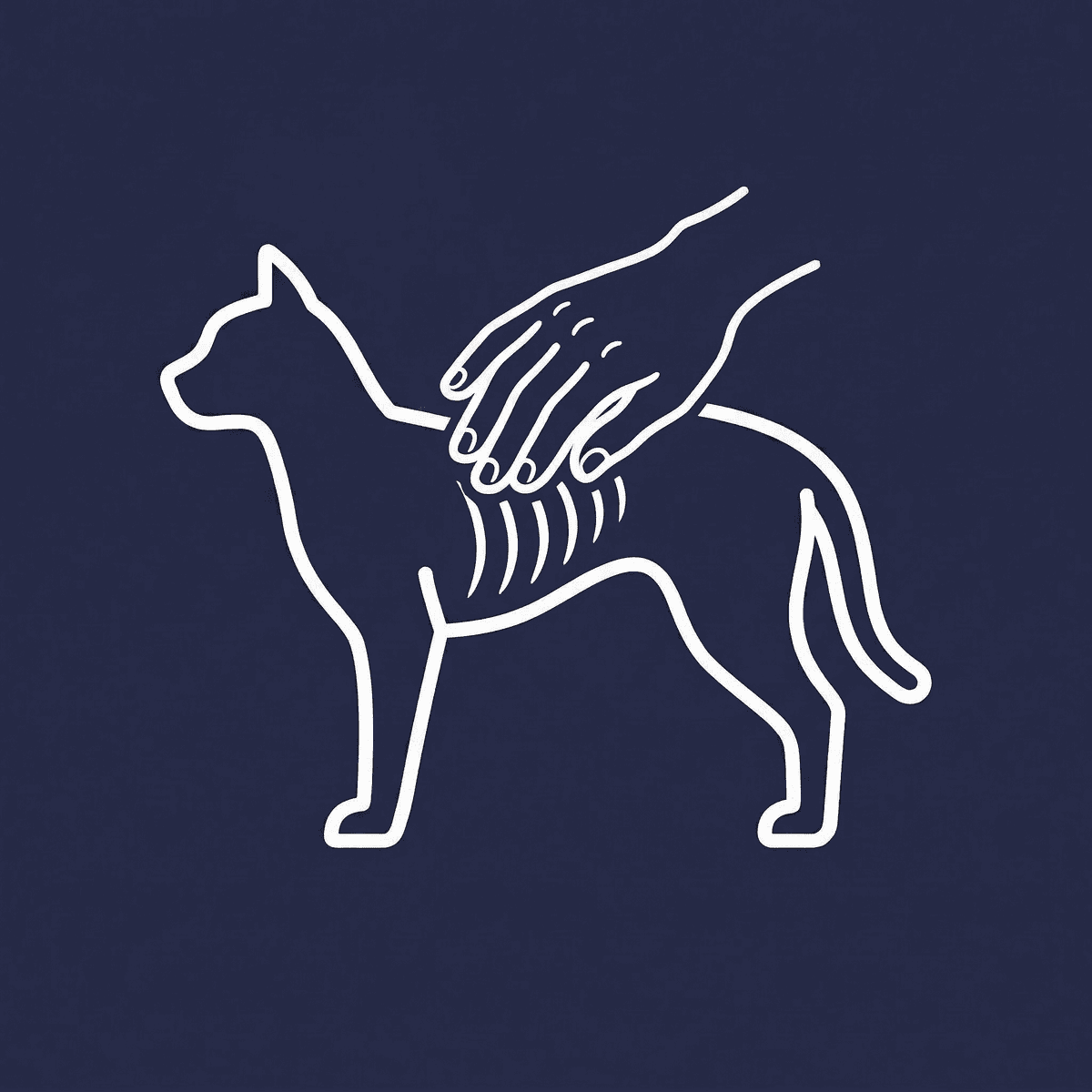
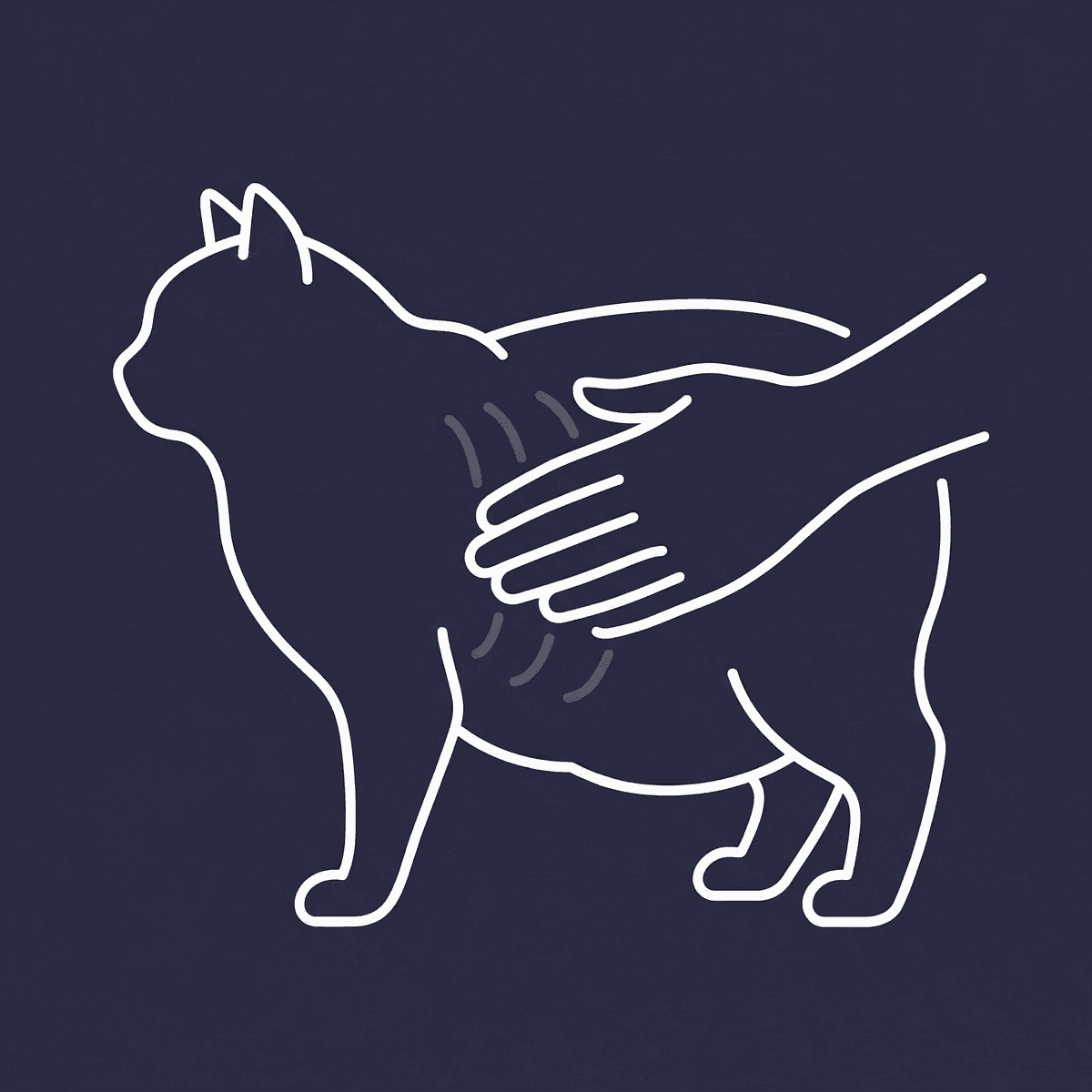
Place both hands lightly on either side of your cat's chest. Ribs should feel like the back of your hand — palpable through a thin layer of fat but not sharp. If ribs feel like your knuckles (bony) your cat is likely underweight; if they feel like your palm (hard to find) your cat is overweight.
Step 2
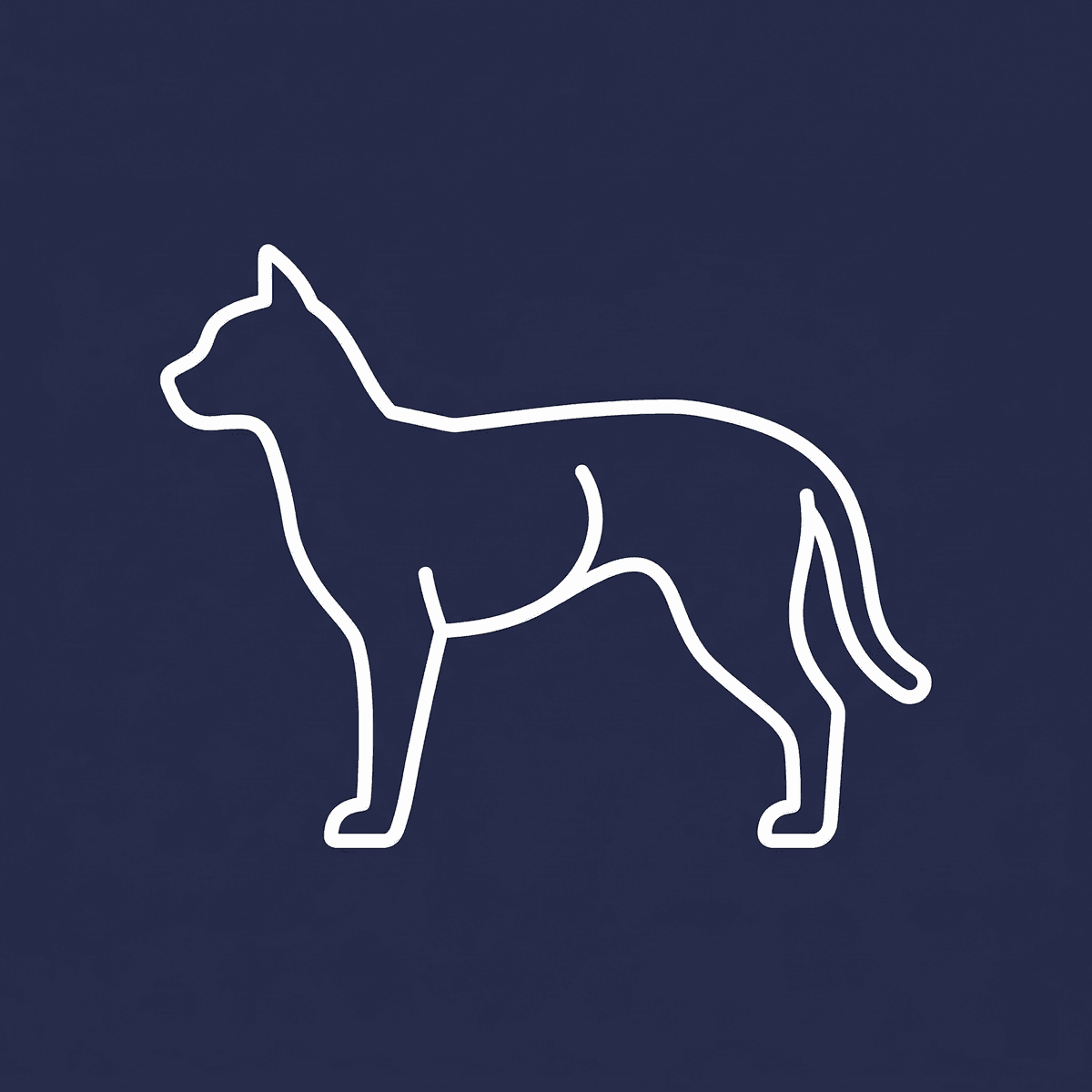
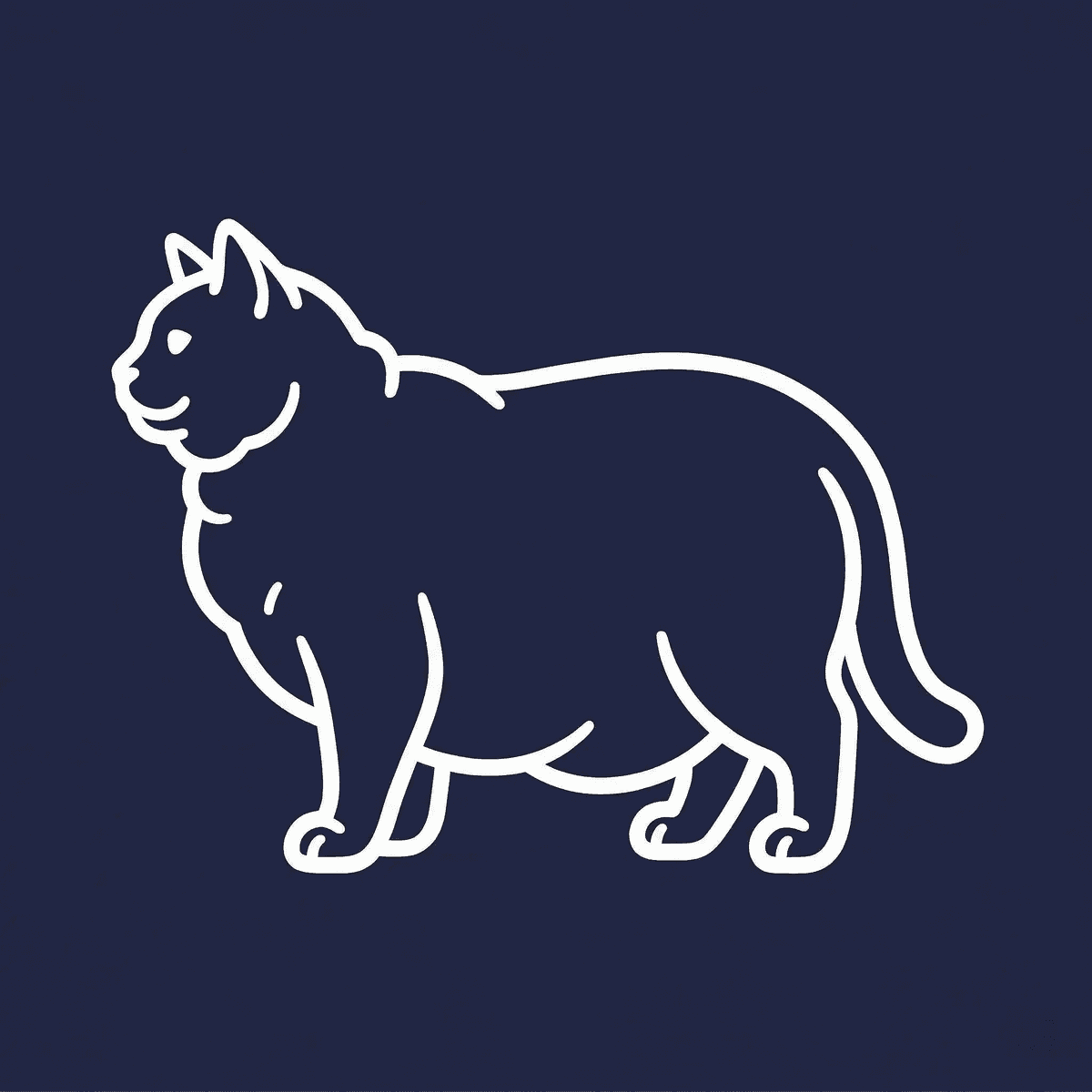
View your cat standing in profile. There should be a slight upward abdominal tuck behind the rib cage. If the belly sags below the line of the legs and swings when walking, your cat is obese; if the tuck is extreme and spine is visible, your cat is underweight.
Step 3
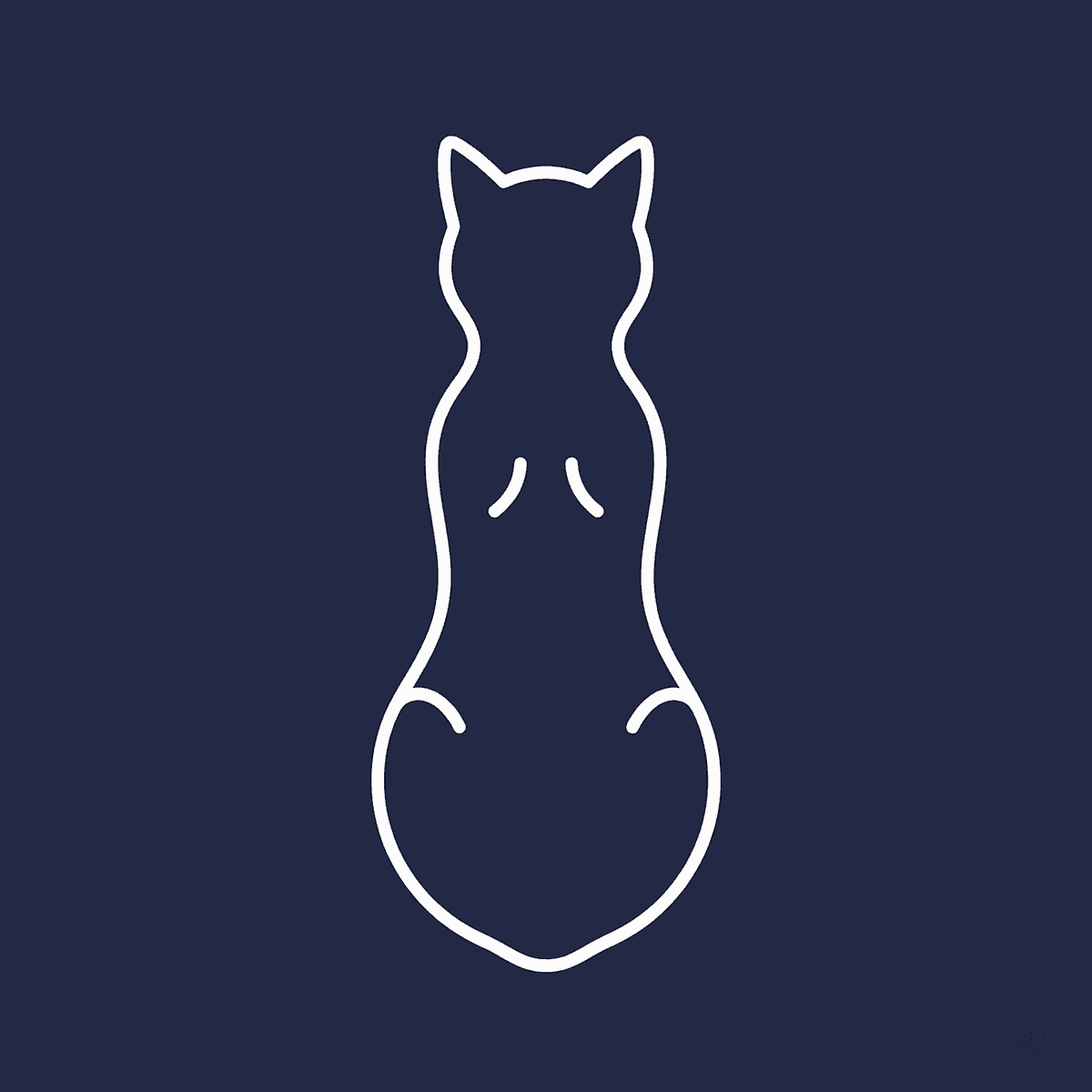
Stand over your cat and look straight down. You should see a visible waist — a slight indentation behind the ribs before the hips. If the outline is oval from head to tail with no waist, your cat is overweight.

Log your cat's Body Condition Score alongside weigh-ins so you can see whether portions are working — then share the chart with your vet.